
A warehouse is not simply a place to store goods. It is a working part of the supply chain where products are received, identified, protected, stored, picked, packed and dispatched. When warehouse processes and packaging decisions are planned separately, businesses can face avoidable handling, space constraints, product damage and dispatch delays. Integrating packaging with warehouse management helps create a smoother flow of materials from arrival to delivery.
Why Warehouse Management and Packaging Must Work Together
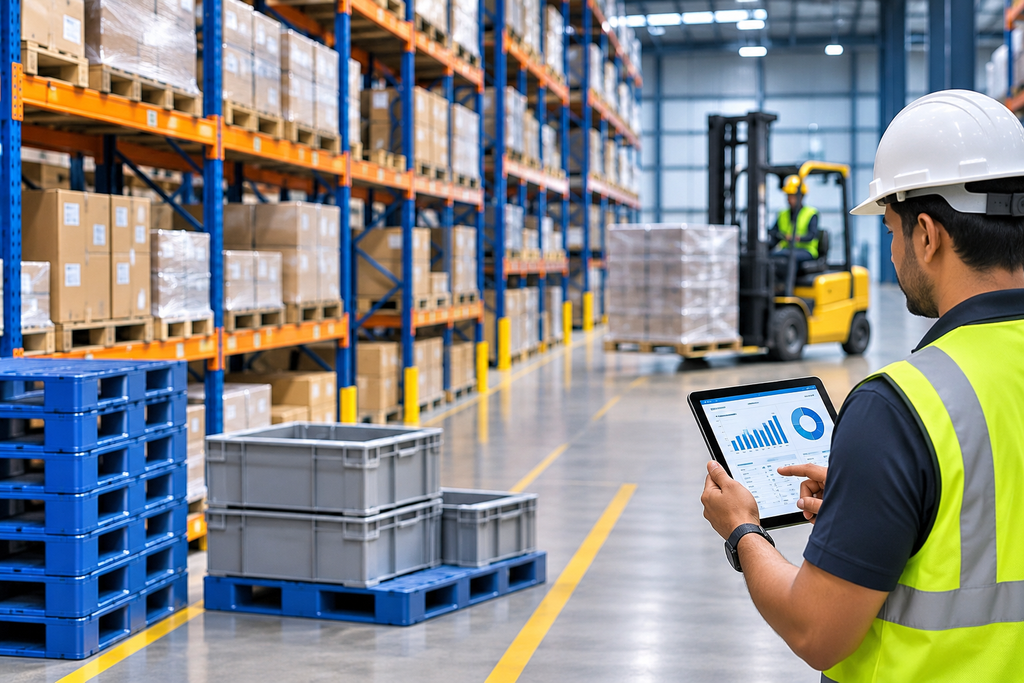
Warehouse management focuses on the movement, storage and control of inventory. Packaging determines how products are grouped, protected, identified and prepared for handling or transport. These functions influence one another at every stage. For example, a package that is difficult to stack can reduce storage capacity, while inconsistent package dimensions can complicate picking, palletising and vehicle loading.
A coordinated approach considers the product, packaging unit, storage location, handling equipment and delivery method as one connected system. This is especially important for manufacturing and engineering businesses that manage different component sizes, weights, batches and customer-specific dispatch requirements.
1. Design Packaging Around Warehouse Operations
Packaging should be selected with the warehouse layout and operating process in mind—not only the product’s immediate protection needs. The right format can make goods easier to receive, count, store, move and dispatch.
Standardise Package Dimensions Where Practical
Using a manageable range of standard package footprints can simplify storage planning and improve compatibility with pallets, racks, conveyors and transport vehicles. Standardisation should not compromise product protection: irregular or delicate components may still need dedicated packaging.
Consider Stackability and Nestability
Stackable packaging can make better use of vertical storage space when the structure is designed and rated for the intended load. Empty returnable containers may be designed to nest or fold, reducing the space required for storage and return transport. Always confirm stacking limits and ensure packages remain stable.
Make Packages Easy to Identify
Clear labels, barcodes, QR codes or other approved identification methods can help warehouse teams recognise product type, batch, quantity, destination and handling requirements. Information should be consistent with the inventory and dispatch systems.
2. Improve Receiving and Put-Away Processes
The warehouse process begins when goods arrive. Packaging that supports quick inspection and clear identification can reduce uncertainty at receiving. Packages should be designed so that authorised staff can check labels and quantities without unnecessary unpacking or disturbing protected components.
Receiving Best Practices
- Match package labels and shipment documents against the purchase order or expected receipt.
- Check the external packaging for visible damage, moisture or signs of tampering.
- Record quantity, batch or serial details according to the business process.
- Separate damaged or unidentified goods for inspection before they enter available stock.
- Use consistent package and pallet dimensions to support planned put-away locations.
Once goods are accepted, package size, weight and handling requirements should guide the storage location. Heavy items may need lower-level locations, while frequently picked products may need to be positioned for convenient access, subject to the warehouse’s safety and inventory rules.
3. Choose Packaging That Supports Safe Storage
Storage packaging must protect the product while remaining compatible with the racking system, floor space and handling equipment. A packaging unit should not be treated as safe to stack simply because it appears strong. Its load rating, condition, support points and stacking arrangement must be confirmed.
Pallets, Crates and Reusable Containers
Pallets help consolidate goods into handling units that can be moved by forklifts or pallet trucks. Crates and boxes provide enclosure and protection, while reusable containers can support repeated movements between suppliers, production areas and customers. Each option has different space, durability, cleaning, tracking and return-logistics considerations.
Match the Package to the Handling Equipment
Forklift entry, pallet-truck access, trolley movement and conveyor compatibility should be considered during packaging design. Poorly positioned openings or unstable loads can slow handling and create safety risks. Confirm the dimensions and operating limits of the equipment used in the facility.
4. Connect Packaging with Inventory Control
Packaging can support more accurate inventory control when each handling unit carries clear, consistent information. A unique package or pallet identifier can help connect physical goods with records in a warehouse management system (WMS) or enterprise resource planning (ERP) platform.
Useful Information to Capture
- Product code, description and quantity.
- Batch, lot or serial number where applicable.
- Supplier, customer or destination details.
- Package or handling-unit identification number.
- Storage, orientation or handling instructions.
- Inspection status or special product-protection requirements.
The specific data fields depend on the organisation’s traceability needs. The important point is that labels, scanning procedures and digital records should use the same identifiers. This helps reduce manual re-entry and makes it easier to trace a package through receiving, storage, picking and dispatch.
5. Streamline Picking, Kitting and Internal Material Movement
Picking and internal transfers can involve repeated movement of the same goods. Packaging that keeps products separated and organised can help employees identify the correct items and move them in planned quantities. For manufacturing operations, dedicated trays, bins, metal pallets or trolleys may be designed around components and production batches.
Support Batch and Order Accuracy
Dividers and compartments can keep similar-looking parts separate. Labels can identify the order, batch or workstation destination. Where products are picked in kits, a dedicated container can keep the items together until they reach the next process. These methods should be aligned with the organisation’s picking and quality-control procedures.
Reduce Unnecessary Handling
When the same goods are repeatedly unpacked and repacked, the process uses time and can increase the risk of loss or damage. Suitable handling units can move through multiple stages with fewer transfers. This requires coordination between warehouse, production, quality and dispatch teams.
6. Plan Dispatch Packaging and Transport Together
The final warehouse stage is preparing goods for delivery. Packaging decisions made earlier can affect how quickly orders are consolidated, wrapped, loaded and checked. A dispatch-ready handling unit should protect the product, match the transport method and carry the information required by the receiver.
Dispatch Considerations
- Confirm order quantity, product identity and destination before packing.
- Select protective materials based on product sensitivity and transport risks.
- Check load stability, weight distribution and restraint requirements.
- Ensure package dimensions and weights are suitable for the planned vehicle or container.
- Apply handling marks and shipping labels in visible, consistent positions.
- Complete final inspection and document any exceptions before release.
For export shipments, also review destination-specific packaging regulations and any applicable requirements for wood packaging, moisture protection or special cargo. Packaging should be designed for the complete journey, including transfers and temporary storage.
7. Measure the Results of Packaging Integration
Warehouse and packaging improvements should be reviewed using operational data rather than assumptions. Establish a baseline before making changes, then compare results over a suitable period while accounting for differences in product mix and order volume.
| Measure | What it indicates | How packaging can influence it |
| Receiving time | Time taken to identify and process incoming goods | Consistent package labels and accessible inspection points |
| Storage utilisation | How effectively storage locations are used | Suitable footprints, stackability and nesting |
| Picking accuracy | Whether the correct items and quantities are picked | Clear identification, compartments and kit containers |
| Handling damage | Damage recorded during internal movement or storage | Protective supports, stable loads and fewer transfers |
| Dispatch preparation time | Time required to prepare orders for shipment | Standardised handling units and dispatch-ready packaging |
| Packaging cost per shipment | Packaging spend relative to shipped volume or order | Right-sizing, reuse where appropriate and material control |
Suggested chart for the website: a simple dashboard-style graphic showing these six warehouse KPIs. Use sample labels only, or insert RR Group Industries’ verified customer data if available. Do not publish invented savings or percentage improvements.
A Practical Framework for Integrating Packaging and Warehouse Management
- Map the flow of goods from receiving through storage, production, picking and dispatch.
- Identify bottlenecks such as repeated repacking, poor identification, damaged goods or awkward package sizes.
- Review package types, pallet footprints, load ratings and handling equipment compatibility.
- Agree on standard labels, identification fields and scanning procedures.
- Test the proposed packaging in real warehouse conditions before wider rollout.
- Train relevant teams and document loading, stacking, inspection and return procedures.
- Review operational KPIs and make adjustments based on measured results.
Frequently Asked Questions
What is packaging integration in warehouse management?
It means planning packaging formats, labels and handling units alongside warehouse activities such as receiving, storage, picking, internal movement and dispatch.
How does packaging affect warehouse efficiency?
Packaging influences storage density, handling time, product identification, picking accuracy, product protection and vehicle loading. Suitable packaging can make these processes more consistent.
What type of packaging is best for industrial warehouses?
The right option depends on product dimensions, weight, fragility, storage system, handling equipment and transport requirements. Common options include pallets, crates, boxes, bins and reusable containers.
Can reusable packaging reduce warehouse costs?
Reusable packaging may reduce repeat purchases of disposable materials in suitable closed-loop operations. The total cost should include cleaning, inspection, repairs, tracking, storage and return transport.
What role does a WMS play in packaging integration?
A WMS can connect package or handling-unit identifiers with inventory records and warehouse tasks. The exact functions depend on the software and the organisation’s configuration.
How can businesses reduce product damage in warehouses?
Use packaging suited to the product, secure components against movement, follow safe stacking limits, maintain handling equipment and train employees in inspection and movement procedures.
Conclusion
Warehouse management and packaging deliver better results when they are planned as connected parts of the supply chain. Suitable package dimensions, clear identification, safe stacking, organised handling units and dispatch-ready protection can support smoother movement from receiving to delivery. By reviewing the complete material flow and measuring operational performance, businesses can identify practical opportunities to improve efficiency and protect their products.
Improve Your Industrial Packaging and Material Flow
Looking to improve how your products are stored, handled and prepared for dispatch? Connect with RR Group Industries to discuss industrial packaging requirements, handling-unit design and packaging solutions suited to your workflow.