Packaging plays a bigger role in our daily lives than we often realize. From protecting products during transport to influencing buying decisions on store shelves, the right packaging can make all the difference. For businesses, choosing the correct packaging is not just about looks—it’s about safety, cost, sustainability, and customer trust. In this guide, we’ll break down packaging in a simple way, covering types, materials, and real-world uses, so you can make smarter decisions with the help of a reliable packaging manufacturer.
What Is Packaging, and Why Does It Matter?
At its core, packaging is designed to protect a product from damage, contamination, and environmental factors. But modern packaging does much more. It helps with branding, improves shelf life, and ensures safe handling during storage and transport. Businesses often search for a trusted packaging manufacturer who understands both functionality and market needs, especially when products move across long supply chains.
Good packaging reduces returns, prevents waste, and creates a better customer experience. Poor packaging, on the other hand, can harm a brand’s reputation quickly.
Types of Packaging You Should Know
Packaging is usually divided into three main types based on its purpose:
Primary packaging is the layer that comes in direct contact with the product. Examples include bottles, pouches, blister packs, and food wrappers. This type is critical for hygiene and product safety.
Secondary packaging groups primary packages together. Cartons, boxes, and shrink wraps fall into this category. A skilled packaging manufacturer ensures this layer adds protection while supporting branding.
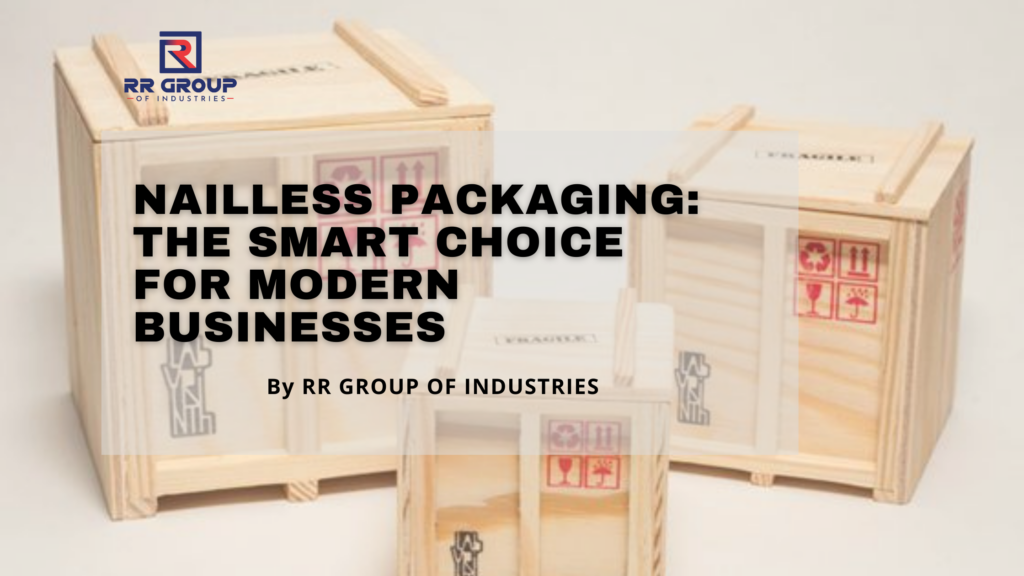
Tertiary packaging is used for bulk handling and transport. Pallets, crates, and stretch wraps help move goods safely from factories to warehouses and retailers.
Understanding these levels helps businesses choose the right combination instead of overspending on unnecessary layers.
Common Packaging Materials and Their Uses
Choosing the right material depends on product type, budget, and sustainability goals. Here are the most commonly used materials:
Paper and cardboard are widely used for cartons, boxes, and retail packaging. They are lightweight, cost-effective, and recyclable, making them a popular choice among eco-conscious brands.
Plastic packaging offers flexibility, durability, and moisture resistance. It is commonly used for food, FMCG, and industrial products. A responsible packaging manufacturer focuses on recyclable and reduced-plastic solutions wherever possible.
Metal packaging, such as aluminum and tin, is used for cans and containers that require long shelf life and high protection.
Glass packaging is preferred for premium products, pharmaceuticals, and beverages due to its non-reactive nature and clean appearance.
Each material has strengths and limitations, which is why expert guidance from a packaging manufacturer is essential before finalizing options.
Packaging Across Different Industries
Different industries have very different packaging needs. Food and beverage packaging must meet hygiene and safety standards. Pharmaceutical packaging focuses on protection, tamper resistance, and compliance. Industrial packaging prioritizes strength and durability. Retail and e-commerce packaging balances protection with presentation.
At RR Group of Industries, packaging solutions are designed keeping these real-world demands in mind. Working with an experienced packaging manufacturer helps businesses avoid trial-and-error costs and ensures consistent quality.
How to Choose the Right Packaging Solution
Businesses often ask simple questions like, “Which packaging material is best for my product?” or “How do I reduce packaging costs without compromising quality?” The answer lies in understanding your product’s weight, fragility, storage conditions, and transport distance.
A reliable packaging manufacturer evaluates all these factors and suggests practical solutions rather than one-size-fits-all options. This approach not only saves money but also improves efficiency and sustainability.
Final Thoughts
Packaging is no longer just a protective layer—it’s a business tool that impacts safety, branding, logistics, and customer satisfaction. Understanding packaging types, materials, and uses helps businesses make informed decisions and avoid costly mistakes.
Partnering with a trusted packaging manufacturer like RR Group of Industries ensures you get packaging solutions that are practical, durable, and aligned with your business goals. With the right approach, packaging becomes an asset—not an afterthought.